Selling in Rockland can move fast, and that means first impressions matter even more. If your home will be competing in a market where recent public snapshots show homes going pending quickly, you do not need a full renovation to stand out. You need a clear plan that helps buyers see the space, feel comfortable in it, and remember it after they leave. Let’s walk through a room-by-room checklist that helps you get show-ready without overcomplicating the process.
Why presentation matters in Rockland
Rockland has a strong owner-occupied housing base, and recent market snapshots point to active buyer demand. Public data has shown median sale pricing above older census value estimates, with homes moving in a matter of days to weeks depending on the source and timing.
In that kind of environment, your home’s presentation can shape how buyers react online and in person. The goal is not to make your home look generic. The goal is to remove distractions, highlight usable space, and support strong listing photos and showings.
According to the National Association of Realtors' 2025 Profile of Home Staging, 83% of buyers' agents said staging made it easier for buyers to visualize a property as a future home. The same report found that decluttering, whole-home cleaning, and curb appeal were among the most common seller-agent recommendations. That is the right framework for most Rockland sellers.
Start with the right prep order
Before you go room by room, follow this sequence:
- Declutter first
- Deep-clean second
- Fix obvious flaws third
- Stage and photograph last
This order keeps you from wasting time styling a room that still feels crowded or unfinished. It also matches the most common seller prep guidance highlighted in the 2025 home staging data.
Front exterior and entry
Your exterior sets the tone before a buyer ever steps inside. If the front walk, porch, or entry feels neglected, buyers may assume the inside needs work too.
Focus on making the home look cared for, easy to approach, and simple to understand at a glance. Small updates here often have an outsized impact.
Exterior checklist
- Sweep the porch, steps, and walkways
- Power wash siding, railings, and the front door if needed
- Trim shrubs and edge planting beds
- Remove dead plants and yard debris
- Put away hoses, trash bins, toys, tools, and pet items
- Replace worn doormats and burned-out bulbs
- Make sure house numbers, the mailbox, and the doorbell are visible and working
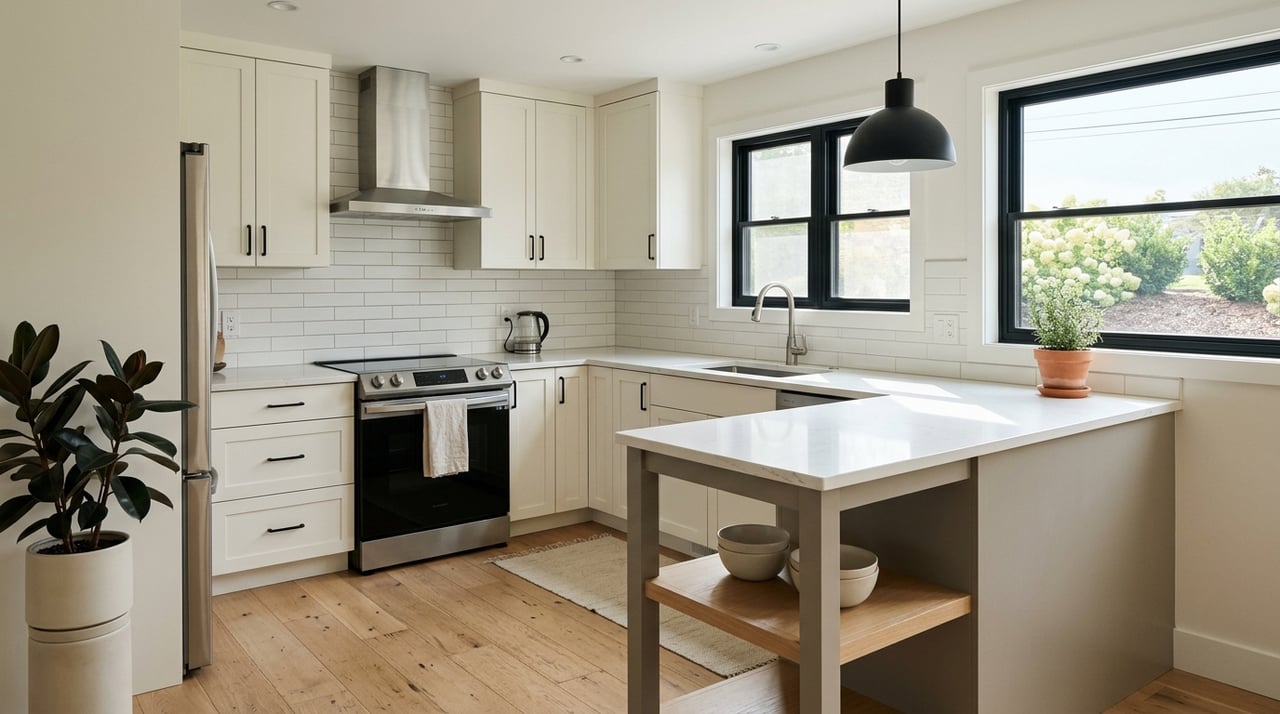
Kitchen checklist
The kitchen is one of the most important rooms to prepare before listing. In the 2025 NAR staging profile, kitchens were among the most commonly staged rooms and one of the spaces buyers' agents considered especially important.
You do not need a full remodel to make your kitchen show well. You need it to look bright, clean, and easy to maintain.
Kitchen priorities
- Clear counters so only a few everyday items remain
- Store small appliances, dish racks, trash cans, and cleaning supplies out of sight
- Deep-clean the sink, range, hood, backsplash, and cabinet fronts
- Touch up chipped paint, worn caulk, or tired grout
- Organize the pantry and under-sink storage
- Check that lighting is bright and bulbs match in color
If your kitchen is smaller, this step matters even more. Clean surfaces and organized storage help buyers focus on function instead of limitations.
Living room and dining room
These are the rooms where buyers often picture daily life first. The living room was the most commonly staged room in the 2025 NAR report, and dining rooms also ranked high.
Your goal here is to create clear flow. Buyers should be able to move through the room easily and understand how the space works.
Living and dining checklist
- Remove extra furniture to open up traffic flow
- Define a clear seating area and dining area
- Reduce family photos, collections, and bold decor
- Patch nail holes and handle small paint touch-ups
- Clean rugs, carpets, windows, and dusty surfaces
- Use simple, neutral textiles when possible
If a room has an awkward layout, strategic furniture reduction usually helps more than adding decor. Less really can feel like more when buyers are touring quickly.
Primary bedroom and secondary bedrooms
Bedrooms should feel calm, functional, and spacious. The primary bedroom ranks high among rooms that sellers' agents stage, while secondary bedrooms may need a lighter touch.
That means you should prioritize the primary bedroom, but you should not ignore the others. Every bedroom should still feel clean, open, and easy to understand.
Bedroom checklist
- Make beds neatly with simple bedding
- Keep nightstands and dressers mostly clear
- Remove oversized or unnecessary furniture
- Organize closets to show usable storage space
- Keep secondary bedrooms neutral and tidy
A child’s room, guest room, or office-turned-bedroom does not need to lose all personality. It just should not feel crowded or overly specific.
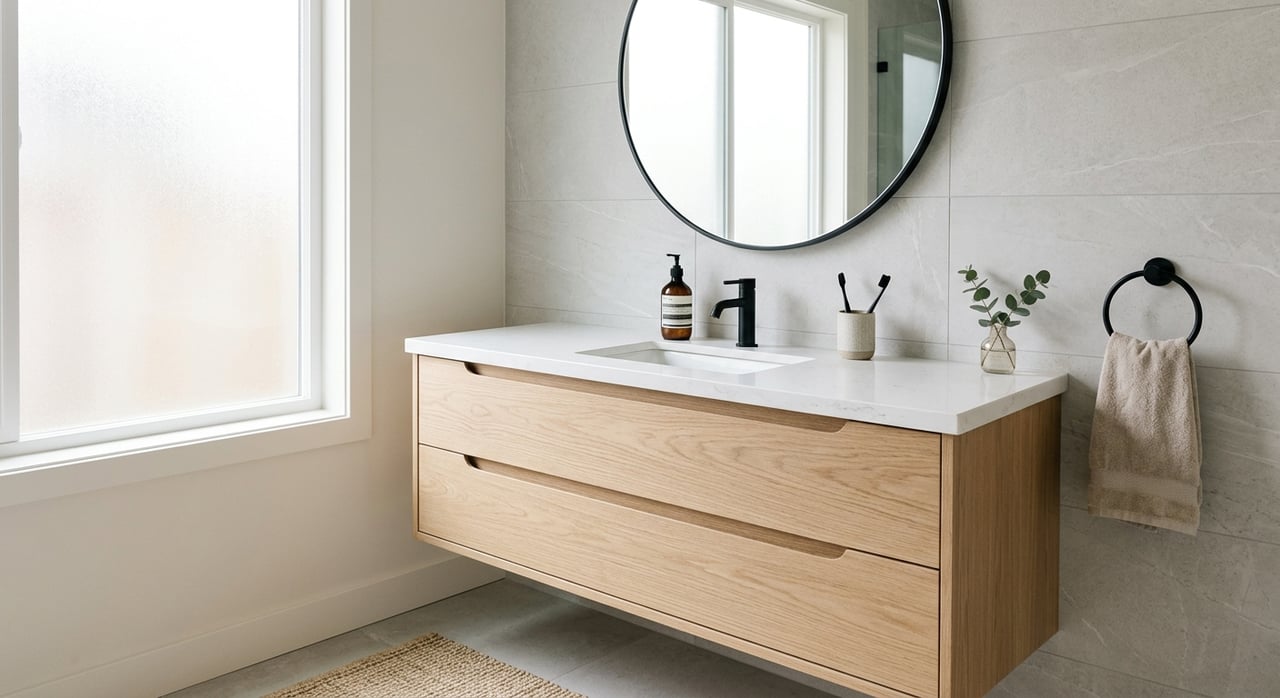
Bathroom checklist
Bathrooms do not need to be fancy to make a good impression. They do need to look spotless and well maintained.
Because buyers tend to notice cleanliness quickly in bathrooms, this is one area where small details count. Worn or cluttered bathrooms can distract from an otherwise well-prepared home.
Bathroom priorities
- Scrub grout, tile, tubs, showers, mirrors, and fixtures
- Replace tired shower curtains, bath mats, and hand towels
- Put away toiletries and cleaning products
- Make sure fans, lights, and plumbing fixtures work properly
- Keep accessories simple and avoid strong scents
Fresh white or neutral towels can go a long way here. The room should feel clean and easy to care for.
Basement, garage, laundry, and utility spaces
These areas are not always glamorous, but they matter. Buyers often look to these spaces for signs of maintenance, storage capacity, and overall home care.
Think of these areas as confidence-building spaces. They should feel functional, not neglected.
Utility-space checklist
- Sweep floors and remove unnecessary stored items
- Leave visible space around the electrical panel, water heater, and other mechanical systems
- Keep shelves orderly and storage bins labeled if possible
- Clean the laundry area and remove overflow piles
- Make workshops or storage nooks feel intentional, not crammed
You do not need to empty every shelf. You do want buyers to see that the space is usable.
What to prioritize if time is tight
If you cannot do everything at once, focus first on the spaces buyers notice most. Based on staging data, the top priorities are usually the living room, primary bedroom, dining room, and kitchen.
After that, tackle bathrooms and the front exterior. Those areas strongly influence both online photos and in-person impressions.
Massachusetts items to confirm before listing
Some prep tasks are about presentation. Others are about avoiding delays once your home hits the market.
In Massachusetts, a few seller items are especially important to confirm early so you are not scrambling later.
Smoke and carbon monoxide alarms
Massachusetts requires a certificate of compliance from the local fire department before sale or transfer showing that smoke and carbon monoxide alarms meet state requirements. The correct standard depends on the home’s build date and the date of the last building permit.
The state also notes that battery-operated smoke alarms older than 10 years generally need replacement with a sealed, long-life battery and hush feature. Carbon monoxide alarms are required on every level of most residences, including habitable basements and attics.
Lead-based paint disclosure
If your home was built before 1978, federal law requires sellers and real estate agents to disclose known information about lead-based paint and lead hazards before the sale of most housing. Sellers must also provide available records and reports, and buyers receive a 10-day period to conduct a paint inspection or risk assessment.
Massachusetts also directs sellers and agents to notify buyers of lead risks in pre-1978 homes. If this applies to your property, it is worth gathering paperwork early.
Septic inspection if applicable
If your property uses a private septic system or cesspool, Title 5 generally makes inspection part of the sale process. Mass.gov states that the system should be inspected when buying or selling property.
Most sale-related inspections are valid for two years, or three years if the system was pumped annually and records are available. In some weather-related cases, inspection may be delayed up to six months after closing if the buyer is notified in writing.
The smartest goal: show-ready, not over-renovated
Many sellers assume they need to take on expensive projects before listing. In reality, the better strategy is usually to make the home feel clean, cared for, and easy for buyers to picture themselves in.
That is especially true in Rockland, where homes can attract attention quickly. Strong preparation supports better photos, more confident showings, and fewer distractions once buyers are through the door.
A room-by-room plan also makes the process feel more manageable. Instead of trying to fix everything at once, you can work in order, make smart updates, and focus your energy where it counts most.
If you want a clear prep strategy tailored to your home, Nicole Condon can help you map out the right staging, presentation, and listing plan from day one.
FAQs
What rooms matter most when selling a Rockland home?
- The living room, primary bedroom, dining room, and kitchen are usually the highest-priority rooms based on 2025 home staging data.
What should Rockland sellers do first before staging a home?
- Start by decluttering, then deep-clean, then fix obvious flaws, and only after that move into staging and photography.
Does every room need to be fully staged before listing a Rockland house?
- No. Most homes benefit most from prioritizing key rooms and making all other spaces clean, neutral, and easy to understand.
What Massachusetts alarm requirement should sellers know before closing?
- Massachusetts requires a local fire department certificate of compliance showing smoke and carbon monoxide alarms meet current state requirements before sale or transfer.
What should Massachusetts sellers know about lead paint disclosure?
- If a home was built before 1978, sellers must disclose known lead-based paint information, provide available records, and allow buyers a 10-day opportunity for inspection or risk assessment.
When does a septic inspection apply to a Massachusetts home sale?
- If the property uses a private septic system or cesspool, a Title 5 inspection is generally part of the sale process.