What draws people to Hull is simple: the beach, the harbor views, and the feeling that Boston is close without being in your face. You live on a narrow peninsula with about 10,000 neighbors, and your day can start with a walk on Nantasket Beach and end with a ferry ride into the city when it is running. If you are weighing coastal living on the South Shore, this guide walks you through the everyday rhythm, commuting options, neighborhoods, housing, and smart questions to ask before you buy. Let’s dive in.
Where Hull is and why it feels different
Hull sits on the Nantasket Peninsula at the southern edge of Boston Harbor, with water on most sides and just about 2.8 square miles of land. By road you are roughly 20 miles from downtown Boston, while by water you are just a few miles across the harbor. The town counted about 10,072 residents in the 2020 Census, so it feels close-knit and compact. You can get a quick sense of the layout and context from the town’s official site and the Hull, Massachusetts overview.
Municipal life reflects the coastline. Departments focus on beach access, parking, and climate adaptation, and you will see those priorities in public meetings and seasonal planning. That focus helps keep the shoreline usable and the summer season organized.
Daily life and the seasonal rhythm
Hull is a year-round community with a clear seasonal shift. In summer, Nantasket Avenue hums, beach lots fill, and you feel the energy of day-trippers alongside locals. In winter, the pace slows, streets get quieter, and you notice the neighborly routines that define small-town life.
Summer on Nantasket
Nantasket Beach is the star in warm months. You have a long sandy shoreline, classic boardwalk touches, and the historic Paragon Carousel that gives families and visitors a reason to linger. Community events, including the Endless Summer festival, bring live music, food, and local vendors to the waterfront. Expect increased foot traffic, full parking lots, and a lively restaurant scene along Nantasket Avenue.
Quieter winters, real community
When the temperature drops, you feel the year-round heartbeat. Local institutions like the Hull Lifesaving Museum run programs and events that keep people connected. You still walk the beach on crisp days, but you plan errands a bit more and appreciate how calm the streets are after the summer surge. If you enjoy a slower off-season with access to Boston when you need it, this pattern can be a big plus.
Neighborhoods at a glance
Nantasket and the boardwalk
This ocean-facing stretch includes the beach, the boardwalk area, and landmarks tied to the Paragon Park era. Homes range from classic beach cottages to condos and small multi-family buildings. It is the most visible and busiest part of town in summer, with seasonal concessions and events nearby.
Hull Village and Point Allerton
Near the harbor end, you find Hull Village, Point Allerton, and Fort Revere Park overlooks. Streets are more residential and historic in feel, with town services and a small commercial core. Many residents like the balance of scenic views and a quieter pace compared to the beach strip.
Inland pockets: Strawberry Hill, Telegraph Hill, Waveland, Kenberma
These areas sit back from the ocean with a mix of one- to three-family houses and some condos. You will see older summer cottages that have been converted to year-round homes alongside more traditional suburban lots. Buyers often explore these streets when they want coastal access without the same summer intensity as the beachfront blocks.
Getting around and commuting
Driving to Boston
Driving time into central Boston is highly traffic-dependent. Plan for a range of about 30 to 60 minutes, with a common rule of thumb around 45 minutes during typical commute hours. This can swing with weather and construction, so map your route at the actual time you expect to travel.
Ferry from Pemberton Point
When it runs, the MBTA ferry is a standout perk. From Pemberton Point, the seasonal service links Hull to Boston’s Long Wharf, with connections to Logan on some runs. The caveat is that the schedule changes seasonally and heavy weather or winter ice can lead to cancellations. Always check the latest updates on the town’s MBTA schedules page before you plan a commute.
MBTA Bus 714
Within Hull, the MBTA 714 bus connects neighborhoods to the Hingham Depot area and is timed to meet the ferry during operating periods. Stops vary by location and the MBTA has discussed improving fixed stops. You can review current routing on the MBTA 714 schedule page.
Parking and beach lots
Beach and boardwalk parking are major factors in summer. The Massachusetts Department of Conservation and Recreation manages many Nantasket Beach lots with seasonal fees and pass options. Rules can change, and the town encourages checking the Yodel app or local pages for current fees. For seasonal notes and volunteer info, start with the Friends of Nantasket Beach.
Your quick commute lookup
- Check the current MBTA ferry schedule for Hull to Boston on the town’s MBTA schedules page.
- Confirm MBTA 714 bus timing and stop locations on the bus 714 schedule.
- Map your drive at the exact hour you plan to travel to see a realistic time range.
Everyday errands and amenities
Inside Hull, you will mostly find small shops, restaurants, and seasonal concessions near Nantasket Avenue and Hull Village. For bigger retail or large grocery runs, many residents drive to nearby Hingham, Quincy, or Braintree. Plan your weekly errands with that in mind, and you will find the routine smooth.
Schools and youth programs
Hull Public Schools serve the town at the primary, middle, and high school levels. Program offerings and enrollment details can change, so it is best to review the district information on the Town of Hull website. If schools are a priority, visit campuses and speak directly with school staff to understand programs, transportation, and extracurriculars.
Housing: styles, pricing, and trends
What homes look like
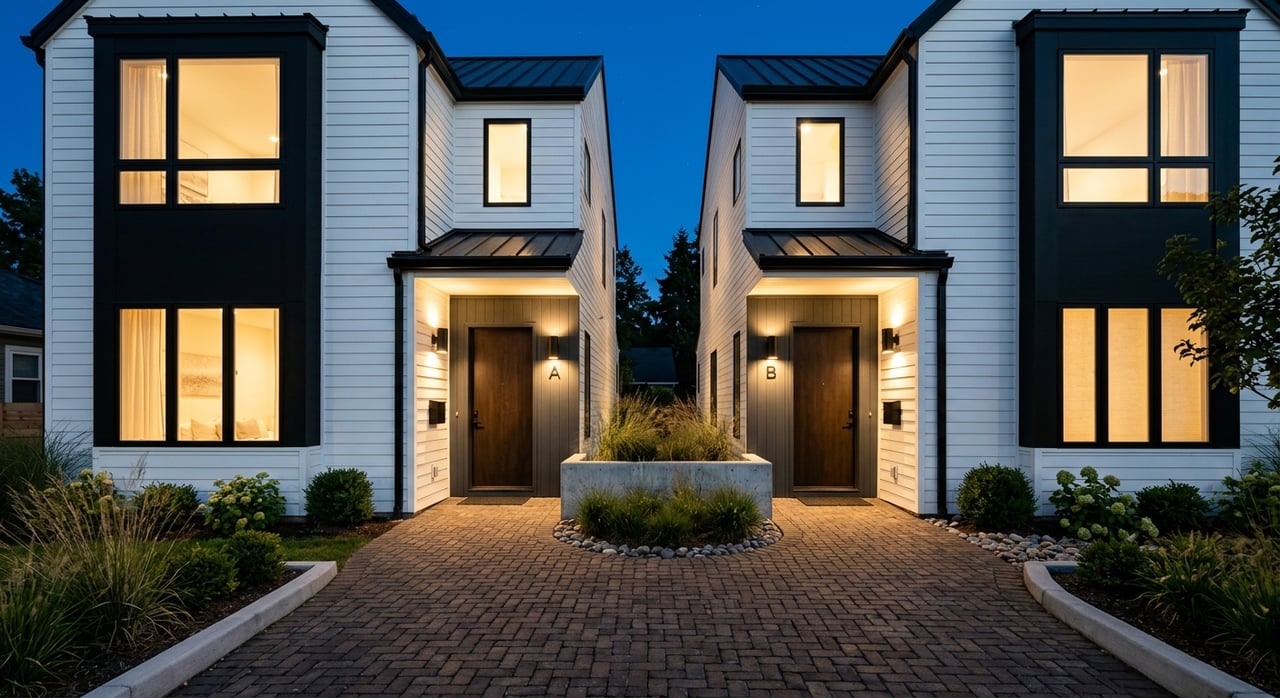
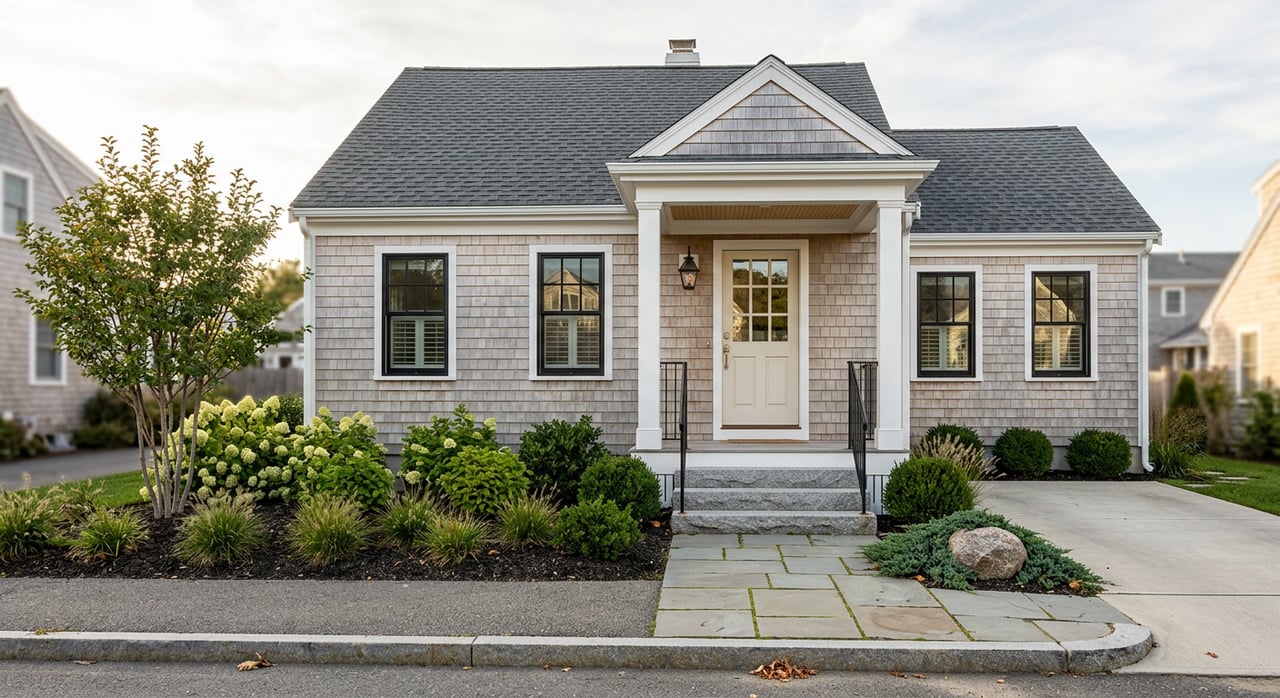
Housing in Hull reflects its coastal history. You will see late 19th and early 20th century beach cottages and bungalows, Cape-style homes, small multi-family buildings, and waterfront condos. Blocks closer to Nantasket often show that classic beach-cottage character, while inland streets feel more like traditional South Shore neighborhoods.
Price snapshot and what drives it
As of late winter 2026, broad pricing measures show the waterfront premium clearly. Zillow’s Hull market index reported an average home value around 682,843 dollars, with data through January 31, 2026. Month-to-month median sale price snapshots from late 2025 also reflect strong coastal demand, with wide variation by block, proximity to the ocean, and property type. Always evaluate current local comps before you set a budget or list price.
Long-term planning and policy
Hull’s planning documents note limited developable land, an aging housing stock, and a push for thoughtful housing production. These factors can shape rebuild activity and pricing pressure over time. For policy context, review the town’s recent Housing Production Plan.
Questions to ask before you buy in Hull
Before you write an offer, use this checklist to guide your due diligence:
- FEMA flood zone and insurance. Confirm the property’s flood zone and get a flood insurance quote early. Review coastal planning materials, such as the Nantasket Beach coastal plan, and ask about any dune or seawall work near the home.
- Sewer, water, and utilities. Check the specific property’s sewer connection and any recent municipal upgrades. Your agent can help you review town records and permits on the Town of Hull website.
- Parking rules and seasonal use. Learn the street parking rules and any seasonal restrictions, especially near the beach. If you plan to rent seasonally, ask the town about short-term rental requirements.
- Recent comps. Look at the last three years of closed sales on the street and in the immediate neighborhood to understand micro-location pricing.
Outdoor life and things to do
Beach time is the default, but there is more to explore. Fort Revere Park offers scenic overlooks and a look at local history. Programs at the Hull Lifesaving Museum create year-round reasons to connect with the harbor. If you care about stewardship, the ongoing planning highlighted in the Nantasket Beach coastal plan shows the state’s focus on protecting this shoreline.
Is Hull right for you?
If you want a daily connection to the ocean, with Boston within reach, Hull is worth a close look. You get a clear seasonal rhythm, a strong sense of place, and a manageable commute when the ferry operates. The tradeoffs are real, from parking in peak summer to the due diligence that comes with coastal property. With the right prep, you can enjoy the best of both worlds: beach-town living and city access when you want it.
Ready to explore homes in Hull with a calm, step-by-step plan? Connect with Nicole Condon for practical guidance, construction-informed advice, and a buyer strategy tailored to coastal living.
FAQs
How far is Hull from Boston and how long is the commute?
- By road, Hull is about 20 miles from downtown Boston. Drive times vary widely with traffic, often 30 to 60 minutes, and the seasonal ferry from Pemberton Point can be a time-saver when it operates.
Can you commute from Hull to Boston without a car?
- Yes during ferry season for many commuters, using the MBTA ferry from Pemberton Point and the MBTA 714 bus for local connections. Errands year-round are still often easier with a car.
What is the current housing price range in Hull?
- Broad measures put average values in the mid six figures as of January 2026, with Zillow’s index near 682,843 dollars. Prices vary by block, water proximity, and property type, so review recent comps for your specific area.
Are there flooding risks in Hull and what should buyers do?
- Coastal flooding and erosion are active considerations. Check FEMA flood zones, get a flood insurance quote early, and review planning resources like the Nantasket Beach coastal plan to understand local protections.
Where can I find the current ferry schedule and parking info?
- Visit the town’s MBTA schedules page for ferry and bus links, and check the Friends of Nantasket Beach for seasonal parking notes and volunteer updates.
What are the main neighborhoods to consider in Hull?
- Options include the ocean-facing Nantasket and boardwalk area, quieter Hull Village and Point Allerton near the harbor, and inland pockets like Strawberry Hill, Telegraph Hill, Waveland, and Kenberma with a mix of home types.