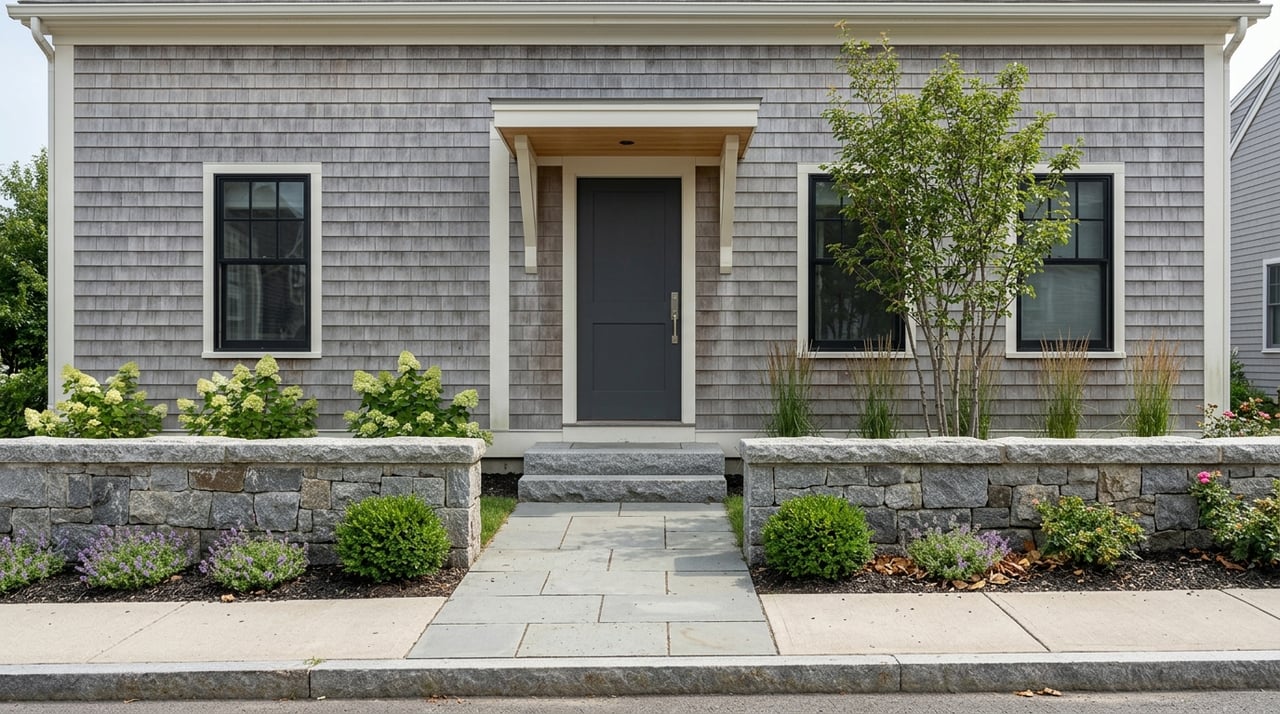
Buying in Hull is not just about how many bedrooms you need. In this town, where a home sits can shape your commute, your parking routine, your maintenance costs, and even how you use the property in every season. If you are trying to decide between a beach-adjacent home, an in-town location, or a quieter residential pocket, this guide will help you weigh the tradeoffs clearly. Let’s dive in.
Why setting matters in Hull
Hull is a small peninsula town, and that geography affects daily life in a bigger way than it does in many other markets. The town describes Hull as the smallest town by land area in Plymouth County, with extensive beachfront and very little land left for new development.
That limited land supply matters because you are often choosing from an older, established housing stock rather than brand-new options. Hull reports that more than 70% of homes are single-family properties, and nearly 75% of the housing stock was built before 1970. In practice, that means your decision may come down less to square footage alone and more to location, access, parking, upkeep, and lifestyle fit.
Start with your daily routine
Before you focus on finishes or room count, think about how you want your day to work. In Hull, the right home setting often depends on whether you want beach access, easier errands, ferry convenience, or a more private residential feel.
A good first question is simple: what will matter most six months after closing? For some buyers, that is waking up near the water. For others, it is having easier parking, a smoother commute, or a little more separation from seasonal activity.
Beach-adjacent homes in Hull
What draws buyers to beach locations
Beach-adjacent homes often appeal to buyers who want the strongest coastal setting. Hull identifies Nantasket Beach as a major local destination, with sandy shoreline, scenic views, and active shoreline management for access, dunes, and storm protection.
If you picture yourself spending a lot of time near the water, these homes can offer a vacation-like feel that is hard to match elsewhere. The tradeoff is that the setting itself comes with more variables to evaluate carefully.
What to watch near the shoreline
Flood exposure should be part of your decision from the start. Hull states that coastal storms are the primary cause of flooding, and AE, AO, and VE flood zones are common in town.
The town also notes that properties in the Special Flood Hazard Area must follow floodplain rules. Many projects in flood zones may require review by the Building Department and or the Conservation Commission. Hull also says that flood damage has occurred throughout the 100-year floodplain and, in some cases, outside of it.
That does not mean a beach-adjacent home is the wrong choice. It means you should go in with open eyes and ask better questions about elevation, drainage, past water issues, and any work done on the property.
Beach living and parking pressure
Parking can also affect how comfortable a beach-area location feels year-round. Hull says resident-restricted stickers and visitor passes are required on residential streets unless otherwise posted, and the main ferry lot is resident-restricted.
For guests and peak-season routines, that can matter more than buyers expect. A home that looks ideal on paper may feel different if summer parking, street access, or visitor logistics are part of your weekly routine.
In-town streets and business areas
Why buyers choose in-town settings
If you want convenience, in-town areas may be the best fit. Hull planning materials distinguish the Nantasket Beach destination area from year-round business districts such as Waveland and Kenberma, where buyers may feel more connected to daily errands and services.
These settings can work well if you prefer a more active environment and want closer access to transportation options. Because Hull is an isolated peninsula with seasonal congestion, the town places strong emphasis on ferry, bus, shuttle, and bicycle access in its planning materials.
Ferry access can shape your decision
For some buyers, Boston access is a major factor. The MBTA ferry route map shows year-round Hingham/Hull service to Long Wharf, which can make proximity to Pemberton or the in-town core a meaningful lifestyle advantage.
If commuting or regular city access matters to you, this is worth thinking about before you narrow your search too far. A home that saves time and simplifies your weekly routine may be a stronger long-term fit than one with a few more interior features.
The tradeoff: activity and parking
In-town living often means more convenience, but it can also bring more friction around traffic, foot activity, and parking. Hull’s parking guidance makes clear that many lots and streets are tightly managed with resident sticker rules.
This does not automatically make in-town settings less appealing. It simply means the right question is whether the level of activity matches how you live. If you work from home, host often, or want to rely less on your car, an in-town location may serve you well. If you want more privacy and less seasonal pressure, it may feel busy.
Quieter residential pockets
Why buyers look for quieter blocks
Some buyers want a more traditional residential setting with a little more space and privacy. In Hull, quieter residential pockets often align with the town’s strong single-family housing pattern.
Hull’s zoning table shows minimum lot areas of 6,500 square feet in SF-A, 12,000 square feet in SF-B, and 20,000 square feet in SF-C, with corresponding frontage minimums of 60, 75, and 90 feet. While each property is unique, those standards can help you compare how spacious one area may feel relative to another.
What quieter really means in Hull
A quieter setting may offer less seasonal foot traffic and a more relaxed day-to-day routine. That said, Hull’s peninsula layout still shapes how these areas function.
A calmer street may also mean you are farther from beach amenities, ferry access, or the town’s small commercial districts. For some buyers, that is a plus. For others, it means a more car-dependent lifestyle than they want.
Older homes still need close review
Do not assume a quieter location means easier ownership. Hull’s housing profile says nearly 75% of the housing stock was built before 1970, so condition and maintenance still deserve close attention.
When you tour homes, pay attention to roof age, siding, windows, grading, and drainage. A peaceful block can be a great fit, but the home itself still needs to support your budget and maintenance comfort level.
Questions to ask at a Hull showing
Focus on costs and daily life
In Hull, the most useful showing questions connect the home’s setting to your future ownership experience. Ask whether the property is in a Special Flood Hazard Area and whether any part of the lot has a history of flooding or drainage issues.
You should also ask whether prior work on the property would have required review by the Building Department or Conservation Commission. If the location raises concerns about floodplain rules, drainage, or site conditions, it is smart to pause and gather more information before moving forward.
Ask street-specific questions
Parking rules are not uniform across town, so ask how parking works on that specific street. You will want to understand resident parking, guest parking, and how winter access works in practice.
It is also helpful to ask about:
- off-street parking and turnaround space
- basement moisture or past water intrusion
- exterior materials exposed to salt air
- seawall, dune, or cliff-adjacent conditions
- extra summer noise, visitors, or parking pressure
- whether the lot is unusually small or nonconforming for the zoning district
These questions can help you compare two homes that may seem similar online but feel very different in real life.
When to bring in the right professionals
Some concerns should be reviewed before you get too far into a purchase. If a showing brings up questions about insurance, elevation, drainage, foundation issues, or structural conditions, it is worth bringing in the right professional early.
Hull recommends contacting the Building Department and or the Conservation Department for permit and floodplain questions. The town also directs owners to speak with an insurance agent about the best option for insuring the property.
How to choose the right Hull setting
The best home setting in Hull is the one that fits your routines, not just your wish list. If you want the strongest beach experience, a shoreline location may be worth the extra planning around flood exposure, permits, and parking. If convenience and access matter most, an in-town setting may support your lifestyle better. If privacy and a more traditional single-family feel matter most, a quieter residential pocket may be your best match.
The key is to evaluate each home as both a property and a setting. In Hull, those two things are closely connected, and understanding that early can help you buy with more confidence.
If you want help comparing home settings in Hull or building a smart search strategy across the South Shore, Nicole Condon can help you weigh the tradeoffs, ask the right questions, and move forward with confidence.
FAQs
What is the biggest factor when choosing a home setting in Hull?
- The biggest factor is how the setting will affect your daily life, including parking, commute patterns, flood exposure, access to services, and the level of seasonal activity around the home.
What should buyers know about flood zones in Hull homes?
- Hull says coastal storms are the primary cause of flooding, with AE, AO, and VE zones common in town, so buyers should ask whether a home is in a Special Flood Hazard Area and whether the lot has any flood or drainage history.
What makes in-town Hull homes attractive to buyers?
- In-town Hull homes can offer easier access to errands, year-round business districts, and transportation options, including the year-round MBTA Hingham/Hull ferry service to Long Wharf.
What should buyers ask about parking at a Hull property?
- Buyers should ask how resident parking, guest parking, and seasonal parking rules work on that specific street because Hull’s parking rules are closely managed and are not the same in every area.
Are quieter residential areas in Hull always lower maintenance?
- No. Hull reports that nearly 75% of its housing stock was built before 1970, so buyers should still look closely at roof age, windows, siding, drainage, and other condition-related items even on a calm street.