If you want South Shore living without the feel of a sprawling suburb, Rockland is worth a closer look. This is a town where daily errands, local programs, neighborhood streets, and green space all play a real role in how life feels. If you are thinking about buying or selling here, understanding that balance can help you make a smarter move. Let’s dive in.
Rockland at a glance
Rockland is a Plymouth County town in southeastern Massachusetts, about 20 miles from Boston and about 8 miles from Brockton. It sits among other South Shore communities including Weymouth, Hingham, Norwell, Hanover, Hanson, Whitman, and Abington.
What stands out first is its scale. Rockland covers 10.07 square miles and has about 5,600 parcels, which gives it a compact, neighborhood-centered feel. Instead of reading like a spread-out commuter town, it feels more established and connected.
Rockland was first settled around 1673 and incorporated in 1874. Its history includes strong industrial roots, especially shoe manufacturing, and some older mill spaces have since been reused for housing and local artist spaces. That mix of old and new still shapes the town’s character today.
What daily life feels like
Rockland has a practical, lived-in feel that appeals to people who want routine convenience close to home. Town Hall, the library, recreation programs, public safety services, the teen center, and the recycling center all help support day-to-day life.
That matters because Rockland is not just a place people sleep and leave. Many residents commute beyond town, but the local service base helps Rockland feel self-contained for regular needs.
The Rockland Memorial Library is one of the town’s most recognizable landmarks. It is a Carnegie building constructed between 1903 and 1905, listed on the National Register of Historic Places, and it serves as an active community resource with events, museum passes, and online resources.
Union Street gives Rockland a center
When people talk about the heart of town, Union Street is a key part of that picture. Local planning and revitalization efforts focus on the Union Street corridor, which includes historic buildings, traditional storefronts, and a pedestrian-scaled environment.
That gives Rockland something many buyers appreciate: a visible town center. It is not a resort-style downtown, and it is not trying to be. Instead, it offers a more grounded, everyday mix of civic and commercial activity that supports local life.
Public art is also helping shape that experience. Rockland Public Arts has added utility-box art and mural projects in downtown areas and beyond, which adds another layer of local identity.
Parks and green space are a real asset
One of the more surprising parts of living in Rockland is how much open space is part of the story. According to the town’s open-space planning, 52% of Rockland’s land mass is dedicated to agriculture, forest, recreation, and open space, while 23% of total land area is permanently protected.
That is a meaningful number for a compact town. It means green space is not just an extra feature on the edge of town. It is part of how Rockland functions and feels.
Several local spots help define that outdoor side of town, including Hartsuff Park, Beech Hill Park, Reed’s Pond, McCarthy Farm, and Major Reed Park. Town planning also points to continued work on trail upgrades, shoreline improvements, maintenance, dredging, and access features like a kayak kiosk at Reed’s Pond.
Trails add connection
Rockland’s trail network is another reason the town can feel more connected than you might expect. The former Hanover Branch Railroad corridor is being converted into a recreational trail that links downtown toward the Town Forest and into nearby Abington and Hanover.
For residents, that adds more than just recreation. It creates another way to experience the town’s layout and open space, while tying together parts of Rockland that might otherwise feel separate in a car-oriented community.
Community events also make use of these shared spaces. The town’s recreation and cultural programming includes recurring gatherings such as Rockland Day, the Rockland Fall Festival, and the Holiday Stroll, along with community activities tied to the rail trail.
Rockland is practical for commuters
Transportation in Rockland is best described as convenient but car-oriented. Routes 3, 123, and 139 are the major travel corridors, and the town has direct access to Route 3 via Exit 14.
If you are commuting, that road access is a major part of Rockland’s appeal. At the same time, it is helpful to know that there is no commuter rail or rapid transit within town limits.
Transit options still exist, but they are more limited. Rockland has limited BAT bus service, a Plymouth & Brockton park-and-ride stop, and access to MBTA commuter rail stations in nearby Abington, Weymouth, and Whitman.
Housing in Rockland: older, stable, and varied
Rockland’s housing market has a stable feel, and the ownership numbers support that. Census QuickFacts show a 76.5% owner-occupied housing rate, a median owner-occupied home value of $472,900, and 91.2% of residents living in the same house one year earlier.
Those numbers suggest a town with a strong ownership base and less short-term turnover than more transient markets. For buyers, that can translate into established neighborhoods and a more rooted residential feel. For sellers, it points to a community where presentation and pricing still matter because inventory is part of a mature, built-out landscape.
The housing mix is mostly single-family, but it is not limited to one format. Town data shows 51.1% of housing units are 1-unit detached homes, with additional attached homes, two-family properties, smaller multifamily buildings, and larger apartment buildings in the mix.
That variety gives buyers a few different entry points into town. Depending on your budget and goals, you may find single-family homes, attached options, or smaller multifamily and apartment-style living near busier corridors.
Expect established homes and neighborhoods
Age is one of the defining features of Rockland’s housing stock. Town data shows that 27.3% of homes were built in 1939 or earlier, with large portions of the remaining inventory built from the 1950s through the 1990s.
Only a small share of homes were built in 2014 or later, and the town is considered relatively built out. In plain terms, Rockland is not a place dominated by large amounts of brand-new housing. It is a market of established homes, mature streets, and neighborhoods that have evolved over time.
That can be a plus if you value character and location over newness alone. It also means buyers should be ready to look closely at condition, layout, and updates from property to property.
Street character changes by area
One of the reasons Rockland appeals to a wide range of buyers is that the street feel can shift depending on where you are in town. Near the center and along more active corridors, you are more likely to see older homes, mixed-use areas, and some denser housing patterns.
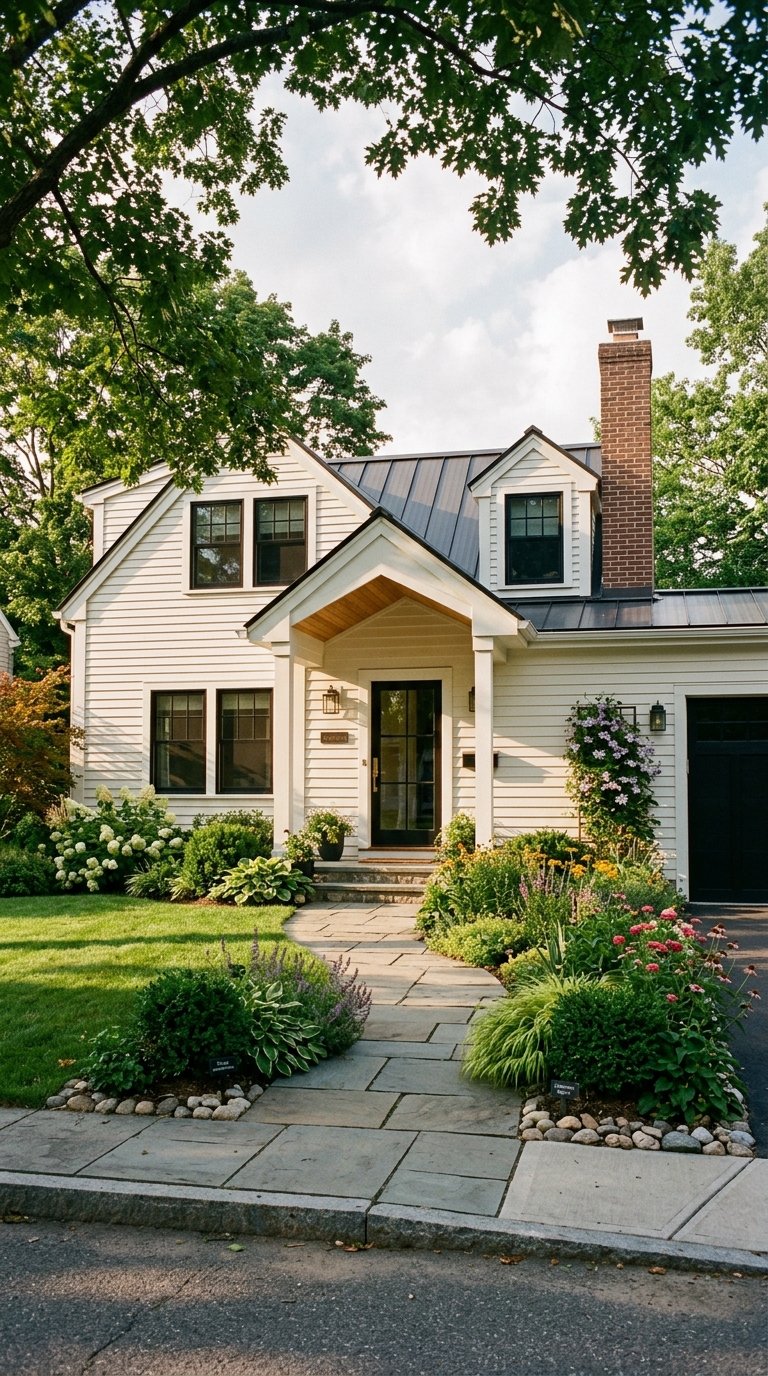
On established side streets, the feel becomes more residential, with many mid-century single-family neighborhoods and a steadier pace. That contrast gives Rockland some texture without making it feel inconsistent.
For sellers, this is where positioning matters. In a town with older housing stock and varied street character, buyers often respond strongly to homes that feel well-prepared, clearly maintained, and thoughtfully presented.
Who Rockland may suit best
Rockland can be a strong fit if you want South Shore access, a practical town layout, and a community that blends neighborhoods with local amenities. It may appeal to first-time buyers looking for options beyond one housing type, move-up buyers who want an established town feel, and longtime owners planning a downsizing move within the region.
It can also suit buyers who want green space and local programming as part of everyday life, not just special occasions. Parks, recreation offerings, community events, and the evolving trail system all add to that experience.
If your priority is heavy transit access inside town or large amounts of new construction, Rockland may not check every box. But if you want a compact South Shore town with a real center, established housing, and practical convenience, it offers a lot to consider.
Whether you are buying your first home, moving up, or preparing to sell a longtime property, local strategy matters in a town like Rockland. If you want steady guidance and a clear plan, connect with Nicole Condon to schedule your consultation.
FAQs
What is Rockland, MA like for everyday living?
- Rockland offers a compact, neighborhood-centered feel with local services, recreation programs, a public library, and a civic-commercial center along Union Street that supports daily convenience.
Is Rockland, MA good for commuters?
- Rockland is practical for commuters who drive, with access to Routes 3, 123, and 139 and direct Route 3 access via Exit 14, plus limited bus service and nearby commuter rail stations in surrounding towns.
What types of homes are common in Rockland, MA?
- Rockland is mostly single-family, but it also includes attached homes, two-family properties, smaller multifamily buildings, and apartment-style housing in some areas.
Are homes in Rockland, MA older or newer?
- Rockland’s housing stock is generally older and established, with a large share of homes built before 1940 and many others built from the 1950s through the 1990s.
Does Rockland, MA have parks and trails?
- Yes, Rockland has a strong open-space profile, including places like Hartsuff Park, Beech Hill Park, Reed’s Pond, McCarthy Farm, and Major Reed Park, plus an expanding recreational trail connection through the former rail corridor.
What makes Rockland, MA stand out on the South Shore?
- Rockland stands out for its compact scale, established neighborhoods, practical commuter access, active local programs, green space, and a town center that continues to see revitalization activity.