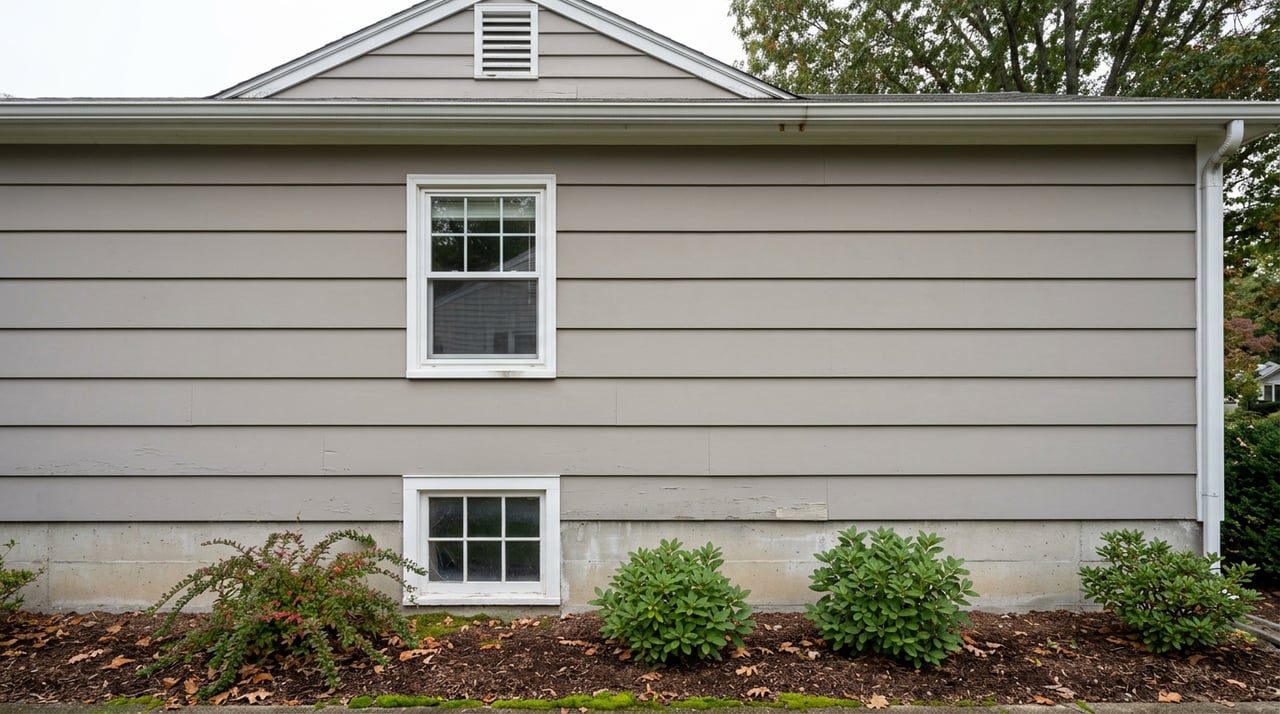
A buyer under contract on a Cape near Union Street gets a call from their lender two weeks before closing. The underwriter wants a tank sweep. Nobody had mentioned a tank sweep before. The general home inspection came back clean three weeks earlier, no mention of oil heat, no red flags. But the lender's own process turns up a fill pipe half-buried in ivy along the foundation, and now everyone is looking at a permit application, a fire department notification, and a soil test that has to happen before anyone can close.
This is not a rare story in Rockland. It is close to a predictable one, and the reason it keeps happening has less to do with bad luck than with a gap in how the inspection process actually works.
The Home Inspection Was Never Built To Catch This
Buyers tend to treat a passed inspection as a green light on everything below the surface, including what might be buried in the yard. That assumption does not hold for oil tanks. Standard home inspection practice excludes buried fuel oil tanks from what an inspector is required to look for. An inspector who notices a suspicious pipe or a patch of dead grass might mention it, but they are under no obligation to go looking, and plenty of inspection reports come back silent on the subject simply because nobody was required to check.
That silence gets filled later, and often at the worst possible moment. Lenders routinely order their own tank sweep as part of underwriting, separate from the buyer's inspection contingency. Because that request can surface after the buyer has already released their general inspection contingency, a tank problem can appear at a point in the transaction when the buyer has far less leverage to walk away or renegotiate than they had three weeks earlier.
Why This Shows Up More In Rockland Than In Newer Towns
Rockland's housing stock is exactly the kind of stock where this history hides. The town built up around shoe manufacturing, at one point supplying about a quarter of the shoes worn in America and reportedly outfitting close to half of the Union Army's boots during the Civil War. That industrial identity shaped the residential blocks around it. What resulted is a town where antique Cape-style farmhouses sit alongside colonials and Victorians, a blue-collar building stock that persists even as some of the old mills get converted into modern living space, the way the old shoe factory became today's Emerson Shoe Lofts.
Homes built across that stretch of decades were far more likely to start life on oil heat than the newer construction going up in towns with more recently extended gas lines. Over the years, plenty of those Rockland homes got converted to natural gas, which is a sensible upgrade, but conversion does not automatically mean removal. An old tank that gets disconnected and left in the ground does not become someone else's problem. It becomes the next seller's problem, sitting quietly for years until a transaction forces the issue.
What Massachusetts Actually Requires
Here is where the legal picture gets specific. No Massachusetts statute requires an oil tank test as a condition of sale. That detail surprises a lot of sellers who assume the law already covers this. What the law does require is narrower and, in its own way, more demanding: under the state fire code, any tank that has been permanently disconnected or unused for 24 consecutive months must be removed, and a tank that has sat unused for as little as six months is already treated as abandoned and subject to the same removal requirement. The obligation exists independent of whether a sale is happening. It simply tends to surface because of one.
Lenders and buyers routinely request tank testing anyway, even without a state mandate forcing them to. That combination, no legal requirement paired with a near-universal practical expectation, is exactly the kind of gap that catches sellers off guard. Nobody told them it was required because, strictly speaking, it isn't. But nearly everyone downstream in the transaction is going to ask about it regardless.
The Removal Process, In Order
Once a tank is confirmed, whether through a seller's proactive test or a lender's mid-transaction sweep, the process that follows is not something that happens overnight. It typically runs through the same sequence regardless of who discovers it:
- A licensed contractor inspects the tank and the surrounding site to determine what removal will involve.
- Permits get filed, and the local fire department is notified before any excavation begins.
- The remaining fuel is drained and any vapor is safely evacuated.
- The tank is uncovered, cut open if needed, and lifted out with excavation equipment.
- Soil around the former tank location is sampled and sent out for contamination testing.
- If the soil comes back clean, the site is backfilled and the paperwork is filed with the fire department.
- If contamination shows up, remediation begins, and that step alone can take considerably longer than the rest of the process combined.
None of that happens in an afternoon. Even a straightforward removal with no contamination found tends to run days to a couple of weeks once permitting and scheduling are factored in. A contaminated site pushes the timeline out much further, sometimes into months, since remediation work has to satisfy the same fire department and, depending on the contamination level, potentially the state's environmental cleanup requirements before anyone can sign off.
That timeline matters most because of what is happening around it. Rockland homes sold in July 2026 spent a median of just 19 days on the market before going under agreement, a pace that was actually a bit faster than the year before. A transaction moving that quickly has almost no slack built in for a multi-week detour. A tank discovery mid-contract does not just add a line item to the closing costs. It can blow through the entire closing date the buyer and seller agreed to weeks earlier.
What This Means If You Are Selling An Older Rockland Home
The practical fix here is sequencing, not paperwork. Sellers who wait for a buyer's lender to discover a tank are handing over control of the timeline at the exact moment they have the least leverage to negotiate. Testing before listing, while there is no financing deadline attached and no buyer waiting on the other end of a delay, turns a potential deal-killer into a line item that gets resolved on the seller's schedule instead of someone else's.
If your home was converted from oil to gas at some point and you are not sure what happened to the old tank, that is worth running down before you put a sign in the yard. Keep whatever documentation exists, prior removal certifications, soil test results, maintenance records, since that paperwork becomes your strongest evidence that the property was handled responsibly, whether the question comes from a buyer, an inspector, or an underwriter. A tank that is 20 years old or showing rust, instability, or damage is generally past the point where waiting makes sense.
What This Means If You Are Buying
Do not treat a clean general inspection as confirmation there is no tank. Ask directly, early, before you are deep enough into the process that a late discovery costs you leverage. If the seller has documentation of a prior removal or a recent test, ask to see it. If the home has any history of oil heat, even if it runs on gas now, that history is worth a direct conversation before you are relying on your lender to raise it for you two weeks before closing.
A Few Direct Questions
Does Massachusetts require an oil tank test before a home can be sold? No. There is no state statute mandating a test at the point of sale. Lenders and buyers request it anyway, which is why it functions like a requirement in practice even though it isn't one on paper.
What if the tank was removed years ago, before I owned the home? Ask the seller, or your own records if you are the one selling, for the removal certification and any soil test results from that work. That documentation is what satisfies a buyer, a lender, or an inspector that the issue was already closed out properly.
How do I know if my tank counts as abandoned under the fire code? A tank disconnected or unused for six months is already treated as abandoned. Twenty-four months of disuse triggers a mandatory removal requirement regardless of whether a sale is pending.
Can I just leave a tank in place if it seems fine? Once a tank is genuinely disconnected and unused, Massachusetts fire code requires removal rather than leaving it in place. Filling a tank in place is not treated as a substitute for extraction under current practice.
Rockland's older housing stock is one of its real advantages. It is also the reason a detail like this deserves a straight answer instead of a surprise. If you are weighing a sale or a purchase in Rockland and want a clear read on what your specific property's heating history means for your timeline, Condon Realty Group can walk through it with you before it becomes a problem instead of after. Schedule your consultation.